Industry
Do You Need a Multilingual Website? A Practical Guide for Regional Businesses
Serving customers in multiple languages is more than a dropdown menu. Here’s what actually goes into building it right — and when it’s worth it.
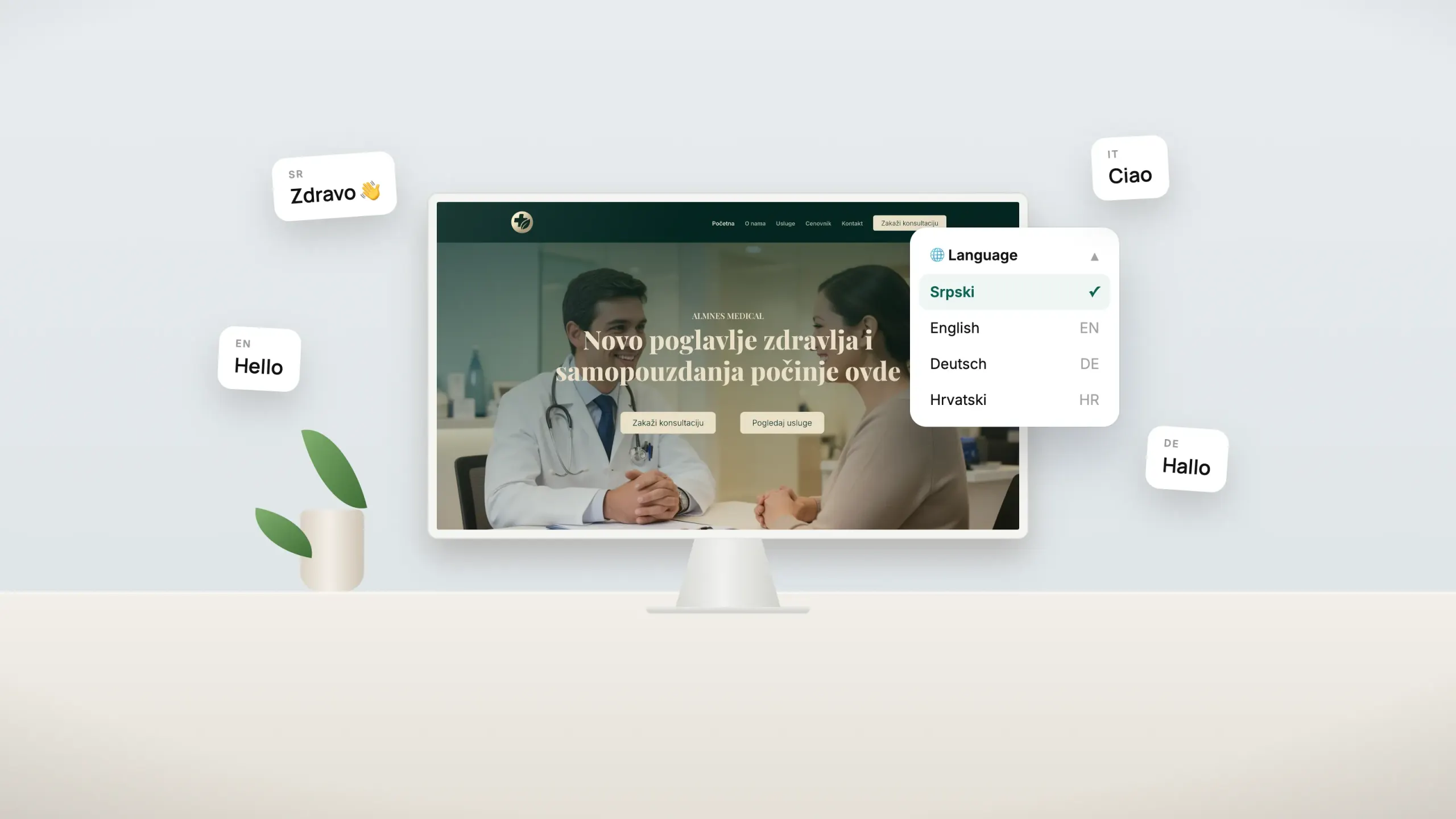
For businesses serving both a local market and international or regional customers, "just translate the homepage" isn’t multilingual — it’s a language toggle with no depth behind it.
What real multilingual support requires
- URL structure search engines can understand — locale-based routing, not a JavaScript toggle over one page
- Real translation for anything customer-facing, not machine translation left unedited
- Locale-aware formatting for currency, phone numbers and dates
- A workflow so a non-technical person can update each language without a developer
The SEO angle people miss
Done properly, each language gets its own indexable URL with correct hreflang tags — meaning each version can rank independently in its own market’s search results, instead of competing against itself or getting ignored entirely.
When it’s actually worth it
Build it when you have real, demonstrated demand from another language segment — not "just in case." A half-built second language, thin on content and never maintained, does more harm to trust and SEO than not offering it at all.
We built Rinzy’s platform multilingual — Serbian, English and Russian — from day one, using locale-based routing, because the target market genuinely needed all three from launch.
Have a similar idea?